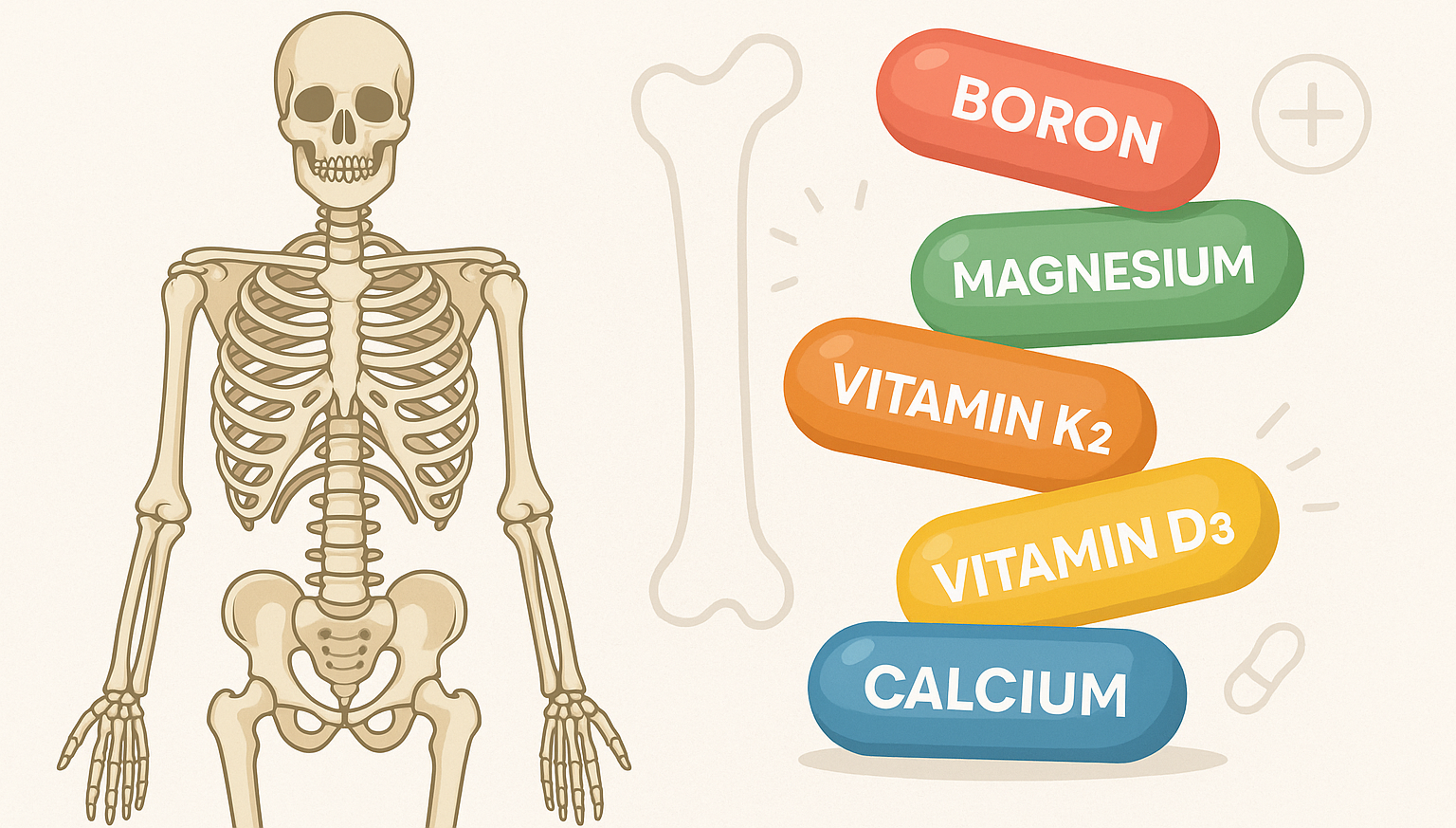
Understanding DEXA Scans and Why They Matter for Your Bone Health
Understanding DEXA Scans and Why They Matter for Your Bone Health
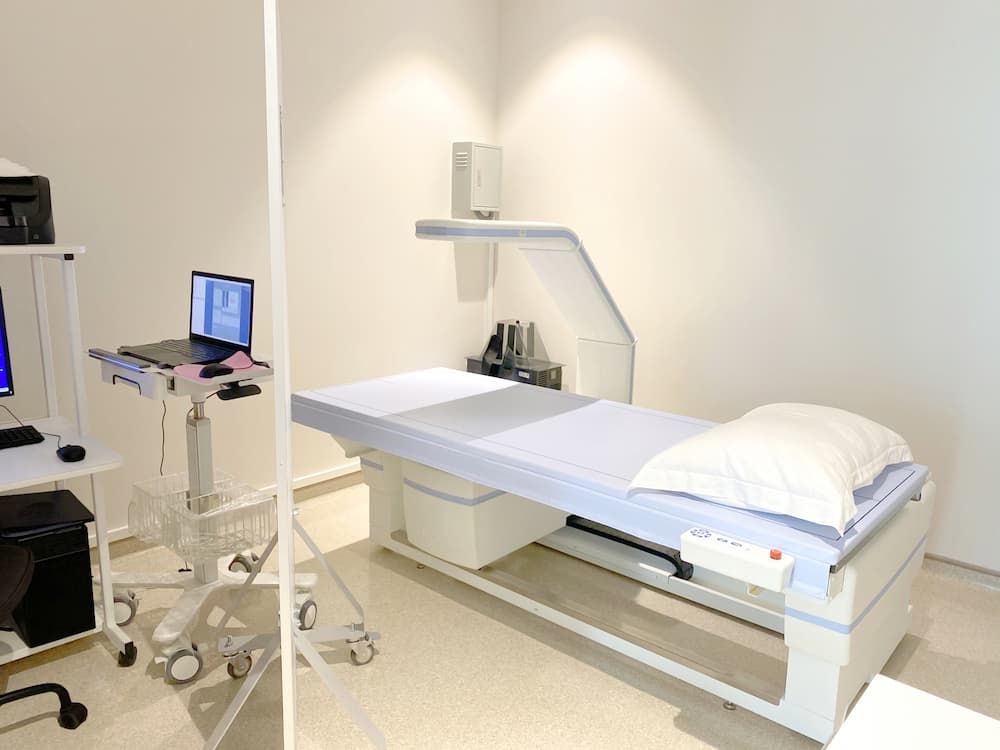
Osteopenia and osteoporosis affect millions of people, especially women over 50. For many, the first step in understanding bone health is a simple, painless test called a DEXA scan.
At OsteoStrong, we talk about DEXA scans every week. They are one of the best tools to assess where your bone density stands today and how your bone health is trending over time. Let’s walk through this…
What Is a DEXA Scan?
A DEXA scan (short for
Dual-Energy
X-ray
Absorptiometry) is the gold-standard, clinical test for measuring bone mineral density (BMD).
It works by passing two low-dose X-ray beams at different energy levels through your bones, most commonly the spine (L1–L4) and hip (femoral neck). By measuring how much of the X-ray is absorbed, the machine calculates the density of your bone tissue.
A few key points:
- It uses very low radiation, less than a cross-country flight.
- It is painless, non-invasive, and typically takes 15-20 minutes.
- It measures density, not bone quality (though some facilities offer add-ons for quality scores).
Understanding T-Scores (and Why They Matter)
After your scan, you’ll receive results that include a T-score. A T-score compares your bone density to that of a healthy 30-year-old of the same sex (the age when bone density peaks). The difference is expressed as a number of standard deviations.
How T-scores are interpreted:
T-Score Range
Category
Meaning
0 to –1.0
Normal BMD
Your bones are within the expected range for optimal health.
–1.1 to –2.4
Osteopenia
Early bone loss, more of a warning sign.
–2.5 or lower
Osteoporosis
Bone loss that could indicate increased fracture risk.
Important note:
A T-score is not a diagnosis of fracture risk on its own. Many factors like nutrition, hormones, bone quality, fall risk, and lifestyle also matter.
Why a DEXA Scan Matters
Bone loss is typically silent, you don’t feel it happening directly. A DEXA scan provides the baseline and monitoring needed to:
- Identify bone loss early
- Track changes over time
- Evaluate fracture risk
- Guide lifestyle changes, nutrition, and exercise programs
The earlier you know what’s happening, the better your chances of improving your bone density before a fracture occurs.
How OsteoStrong Fits In
Here’s how we support you before
and after your DEXA scan:
We can help you find a convenient, reliable DEXA location
We maintain a list of trusted scanning centers in the area and can refer you to them.
Check out our
Experience OsteoStrong page to learn how we can help you interpret your results, define a comprehensive plan, how our program fits in to that plan, and how to book some time with our team to learn more.
Final Thoughts
A DEXA scan is one of the most valuable tools you can use to understand your bone health, and it’s the starting point for creating a plan to improve it. Whether you’re concerned about osteoporosis, navigating menopause, or simply being proactive, knowing your numbers empowers you.
If you need help scheduling a scan or interpreting your results, we’re here. If you’re ready to take action and start building stronger bones, we’d love to meet you. Your bones matter and improving them is absolutely possible. At OsteoStrong, we see it every single day.
Image credit: // Shutterstock // Julinzy